
Can Poor Gut Health Affect My Immunity?

Can Your Gut Influence Your Immune Health?
When we think about immunity, most people immediately think about vitamins, seasonal illnesses, sleep, or the nutrients on their plate. The digestive system is often left out of that conversation, even though it has a close relationship with the body's immune defences. Your gut is not simply a passage through which food travels before nutrients are absorbed. It is a complex environment containing trillions of microorganisms, immune cells, intestinal tissues, and chemical signals that continuously interact with one another. The gut also acts as an important interface between what enters your body and how your body responds to it. This is why researchers and health professionals have become increasingly interested in the relationship between digestive health and immune function. Understanding this connection can change the way you think about everyday wellness and why taking care of your gut may be an important part of supporting your body's natural defenses.
So, Can Poor Gut Health Affect My Immunity? It is a reasonable question because the gut and immune system are closely connected, although digestive problems should not automatically be interpreted as the cause of every immune-related concern. A significant part of the body's immune tissue is associated with the gastrointestinal tract, where it constantly encounters nutrients, microorganisms, and other substances from the outside world. The intestinal barrier also helps regulate what passes from the digestive tract into the body's internal environment. Meanwhile, microorganisms living in the gut interact with the surrounding environment and produce compounds that can influence local conditions. This relationship is complex rather than one-directional. Your immune system can influence the gut, and the condition of the gut environment can influence immune activity. That makes digestive wellness an important piece of the larger health picture.
Your Gut Is Home to a Living Microbial Community
Inside your digestive tract exists a constantly changing ecosystem commonly known as the gut microbiome. It includes bacteria and other microorganisms that live alongside your own cells and interact with the food, fluids, and compounds reaching your intestines. The composition of this community is different from person to person, which is one reason people can have different digestive experiences even when their diets appear similar. Your food choices, lifestyle, age, medications, stress, sleep, and other factors can all influence the environment in which these microorganisms live. Rather than thinking about the microbiome as simply "good bacteria" and "bad bacteria," it is more accurate to think of it as a diverse ecosystem where balance and interactions matter. A varied microbial environment is one aspect of a healthy digestive system, but it is only one part of the much larger picture.
The gut microbiome is also involved in processes that extend beyond digestion. Certain microorganisms interact with dietary components and produce substances that can influence the environment of the intestines. These interactions may also communicate with immune pathways and other systems throughout the body. This does not mean that simply adding a probiotic will automatically strengthen your immunity or prevent illness. The relationship is much more nuanced than that. The health of your gut depends on the broader environment in which these microorganisms live, including the foods available to them, the integrity of the intestinal lining, and your overall lifestyle. Supporting the gut therefore involves more than looking for one "superfood" or one supplement. It means creating everyday conditions that encourage a balanced and resilient digestive environment.
Your Intestinal Barrier Has an Important Job
Your digestive tract has a demanding responsibility because it needs to allow useful nutrients to pass through while helping keep potentially harmful substances from entering the body's internal environment unnecessarily. The intestinal lining works as part of this protective interface, supported by a complex network of cells and biological processes. This barrier is not a completely sealed wall because nutrients and other useful compounds need to cross it. Instead, it is a carefully regulated boundary that helps the body distinguish between what should be absorbed and what requires further attention. The immune system is closely involved in this process because the digestive tract is constantly exposed to substances from food and the outside environment. Maintaining a healthy intestinal environment is therefore relevant to both digestion and immune regulation.
Several lifestyle factors can influence the overall condition of your digestive system. A diet lacking variety, inadequate fibre intake, prolonged stress, poor sleep, sedentary habits, and certain medications can all affect different aspects of gut health. None of these factors should be viewed as a single explanation for illness, but they demonstrate why digestive wellness requires a broad approach. When you support your gut through nutritious foods, adequate hydration, regular movement, and healthy daily habits, you are creating a more supportive environment for normal digestive and immune processes. This is also why gut health should not be treated as a short-term project. The digestive system responds continuously to your lifestyle, so the habits you repeat over time can matter more than occasional bursts of healthy behaviour.
Why the Gut-Immune Relationship Matters
Your immune system is designed to identify and respond to potential threats while maintaining tolerance toward substances that are not harmful. The digestive tract is one of the places where this balancing act happens every day. Food components, microorganisms, and other compounds reach the gut regularly, requiring the body to distinguish between normal exposure and potential danger. The gut microbiome, intestinal tissues, and immune cells participate in this ongoing communication. This does not mean your gut controls your entire immune system, nor does it mean that every digestive symptom signals weakened immunity. Instead, it highlights how closely different systems of the body communicate with one another.
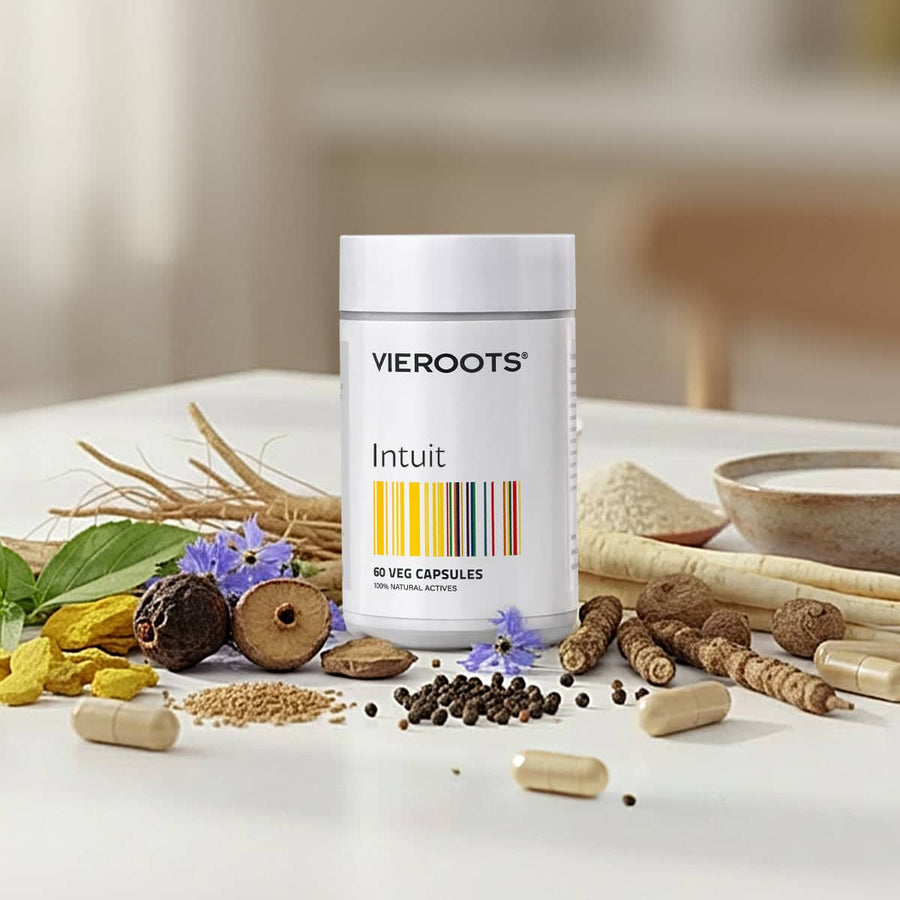
This connection also explains why digestive wellness has become an important part of preventive health conversations. Supporting the gut is not about trying to make your immune system permanently "stronger." Your immune system needs balance and appropriate regulation rather than constant activation. Everyday habits can contribute to this environment by providing adequate nutrition, maintaining dietary variety, supporting normal bowel function, and allowing the body enough time for rest and recovery. Intuit, Digestive Health & Immunity Boost can be considered as part of a broader nutritional strategy for people looking to support digestive wellness alongside healthy lifestyle habits. It should be viewed as complementary support rather than a replacement for a balanced diet or appropriate medical care.
When Your Digestive System Feels Out of Balance
You may notice that something is different when your digestion becomes less predictable. Perhaps you experience frequent bloating, irregular bowel movements, excessive gas, or a feeling of heaviness after meals. These symptoms can have many possible causes, including dietary changes, food intolerance, stress, medication, lifestyle patterns, and underlying health conditions. They should not automatically be blamed on an unhealthy gut microbiome. However, recurring digestive symptoms are worth paying attention to because they may indicate that something in your routine or health needs closer consideration. The goal is not to become anxious about every stomach sensation but to recognise patterns and understand when they are persistent enough to deserve attention.
This is where the question Can Poor Gut Health Affect My Immunity? becomes more meaningful as part of a wider wellness discussion. Instead of looking at digestion and immunity as completely separate areas, consider them as interconnected parts of your overall health. Your gut needs nourishment, hydration, movement, sleep, and a supportive lifestyle just as the rest of your body does. If digestive symptoms continue despite sensible lifestyle changes, professional guidance can help determine what may be contributing to them. Avoid assuming that a supplement or restrictive diet will solve the problem without understanding the underlying cause. A thoughtful approach starts with observation, builds healthy foundations, and uses personalised support where appropriate.
Your Daily Food Choices Can Shape the Gut Environment
The foods you regularly consume provide more than calories and nutrients. They also influence the environment in which your gut microorganisms live. A varied diet containing appropriate amounts of plant-based foods can provide different types of dietary fibre and other compounds that interact with the microbiome. Whole grains, vegetables, fruits, legumes, nuts, and seeds can all contribute to dietary diversity, although individual tolerance varies. The objective is not to eat an enormous quantity of fibre overnight or follow a rigid "gut health" menu. Sudden changes can sometimes cause temporary digestive discomfort, particularly if your previous diet contained relatively little fibre.
A gradual and sustainable approach is generally more practical. Introduce new fibre-rich foods progressively, maintain adequate fluid intake, and observe how your body responds. Variety matters because different foods contain different types of nutrients and fibre, which can support a diverse dietary pattern. At the same time, healthy eating does not mean every meal needs to contain every possible plant food. Your overall diet across the week is more important than creating one perfect plate. When you build your meals around variety, moderation, and foods that you can comfortably enjoy, you create a nutritional foundation that supports your digestive system without making healthy eating unnecessarily complicated.
Your Everyday Diet Shapes the Gut Environment
Food does much more than satisfy hunger or provide the energy needed to get through the day. Once it reaches the digestive tract, the nutrients and fibres in your meals interact with the complex community of microorganisms living inside your gut. A varied diet that includes vegetables, fruits, legumes, whole grains, nuts, and seeds can provide different types of fibre and plant compounds that contribute to a diverse eating pattern. These foods can become part of the environment in which your gut microorganisms live and function. However, eating more of everything is not necessarily the answer, particularly if your current diet contains very little fibre. Suddenly increasing fibre-rich foods can sometimes result in temporary gas, fullness, or changes in bowel habits. The goal is to create variety gradually while paying attention to your individual comfort and tolerance.
A practical way to improve dietary variety is to make small additions instead of completely rebuilding your meals overnight. If you rarely eat legumes, for example, begin with a moderate serving rather than adding them to every meal. The same approach can be used with whole grains, vegetables, fruits, nuts, and seeds. Give your body enough time to adjust while maintaining adequate fluid intake throughout the day. You do not need to follow an elaborate "gut health diet" or fill every plate with dozens of ingredients. What matters is developing a balanced pattern that provides a broad range of nutrients and fibre over time. When healthy food choices become part of your normal routine rather than a temporary challenge, they are much easier to sustain.
Fibre Provides Support for Your Gut Microbiome
Fibre is often associated with regular bowel movements, but its role in digestive wellness extends further. Different types of fibre behave differently as they move through the digestive tract, and some reach the large intestine where they can interact with microorganisms residing there. This interaction is one reason a fibre-rich diet is commonly considered an important part of gut-friendly nutrition. However, increasing fibre too quickly can create an uncomfortable experience, particularly for someone whose previous diet contained relatively small amounts. The resulting gas or fullness can sometimes make people believe that fibre itself is the problem when the real issue may simply be the speed of the dietary change.
Instead of trying to consume as much fibre as possible, focus on gradually including different sources in amounts that feel comfortable. Vegetables, fruits, legumes, whole grains, nuts, and seeds can all contribute to a varied dietary pattern. Adequate hydration can also be important when increasing fibre, as fluids are part of normal digestive processes. If you have an existing digestive condition or persistent symptoms, it is better to seek appropriate guidance than to keep increasing fibre without understanding how your body is responding. Your nutritional needs are individual, and more is not automatically better. The aim is to build a balanced diet that provides nourishment while allowing your digestive system enough time to adapt.
Stress Can Change the Way Your Digestive System Feels
A stressful day can affect much more than your mood. When life becomes particularly demanding, your normal eating routine can change without you even noticing. You may skip breakfast because you are running late, eat lunch while answering work messages, rely on several cups of coffee, or reach dinner feeling so hungry that you eat much faster than usual. Sleep may also become less consistent, while exercise and other forms of recovery are pushed aside. These changes can influence digestive comfort alongside the stress itself. This does not mean that stress is responsible for every digestive symptom, but it is one factor worth considering when discomfort appears during particularly demanding periods.
You cannot always remove the situations that create stress, but you can create small opportunities for recovery during the day. A short walk outside, a few minutes of quiet breathing, a proper meal break, time away from a screen, or a consistent bedtime can help you build moments of calm into an otherwise busy schedule. These habits are not intended to treat a medical condition, but they can support a healthier overall routine. If you repeatedly notice that your digestive symptoms become more noticeable during stressful periods, take that pattern seriously without assuming that food is automatically the culprit. Your digestive system exists within the same body that responds to emotional pressure, physical fatigue, and changes in daily behaviour.
Sleep Deserves a Place in Your Gut Health Routine
Sleep is usually discussed in relation to energy, concentration, and mood, but it also affects the way you manage your everyday lifestyle. After a poor night's sleep, preparing a balanced meal can feel like more effort than usual. You may depend on caffeine to stay alert, skip your usual workout, eat at unusual times, or choose convenient foods because you are too tired to cook. If this happens repeatedly, your digestive routine can become increasingly irregular. The relationship is not as simple as saying that poor sleep directly causes digestive problems. Instead, sleep can influence several behaviours that collectively shape your overall health.
Creating a consistent sleep routine can therefore be a useful part of supporting your general wellness. Try to maintain reasonably regular sleeping and waking times and give yourself enough opportunity to rest. A calmer evening may also make it easier to avoid very large meals immediately before bedtime. You do not need an elaborate collection of sleep rituals to make a difference to your routine. Simple habits that you can follow consistently are usually more practical than a complicated schedule that becomes difficult after a few days. When adequate sleep is combined with nutritious food, movement, hydration, and stress management, your body receives a more supportive environment in which different systems can work together.
Movement Matters Even When You Exercise Occasionally
You do not have to be a fitness enthusiast to make movement part of a gut-friendly lifestyle. Modern work often involves sitting for long periods, whether you are working at a computer, travelling, attending meetings, or relaxing at home. Even people who exercise occasionally may spend most of the remaining day sitting. Introducing more movement throughout the day can therefore be a simple way to make your routine more active. Walking, stretching, taking the stairs, standing during phone calls, and taking short breaks from your desk can all contribute to your daily activity.
The most useful form of movement is often the one that fits naturally into your schedule. A short walk after a meal may be easier to maintain than an ambitious workout plan that requires a large amount of time. You can gradually increase your activity as your fitness improves without treating exercise as something you must do to compensate for what you have eaten. Movement is part of overall health, not a punishment for enjoying food. If you spend several hours sitting each day, small activity breaks can be a practical starting point. Over time, these habits can become automatic and help create a more balanced daily rhythm without requiring a dramatic lifestyle transformation.
Your Gut Microbiome Is Influenced by Your Whole Lifestyle
It is easy to think of the gut microbiome as something determined entirely by the foods you eat, but the reality is much broader. The microbial community within your digestive tract exists in an environment influenced by many factors, including your diet, age, lifestyle, stress, sleep, physical activity, and medication use. This helps explain why people with similar eating patterns can still have different digestive experiences. Your gut microbiome is not a static collection that remains exactly the same throughout your life. It exists within a changing biological environment and can respond to changes in your routine.
For this reason, supporting your gut should not become a search for one magical food or one specific microorganism. A varied diet can provide different types of nutrients and fibre, while regular movement, adequate sleep, hydration, and sensible stress management contribute to a broader healthy lifestyle. Certain medications can also influence the gut environment, which is why medication decisions should always be made with appropriate medical guidance. If digestive symptoms continue, avoid assuming that your microbiome is automatically the cause. There may be several possible explanations, and understanding the complete picture is more useful than reducing every digestive concern to one factor.
Prebiotics and Probiotics Have Different Roles
The words prebiotic and probiotic are often used together in discussions about gut health, but they describe different things. Probiotics are live microorganisms that may provide health benefits when consumed in suitable amounts, while prebiotics are substances that can be utilised by certain microorganisms in the digestive tract. Understanding this difference can help you read product labels and health information more carefully. Neither term should be treated as a guarantee of improved immunity or perfect digestion. Different strains, ingredients, quantities, and individual circumstances can influence how a particular product fits into someone's wellness routine.
Intuit, Digestive Health & Immunity Boost can be considered as part of a wider nutritional approach to digestive and immune wellness. Rather than viewing it as a replacement for healthy food, think of nutritional support as one element within a much larger lifestyle picture. Your everyday diet, hydration, physical activity, sleep, and stress management continue to matter. If you are considering adding a supplement, follow the recommended usage and take your existing health circumstances into account. People who take prescription medication, have an existing health condition, or experience ongoing digestive symptoms should consider speaking with an appropriate healthcare professional before introducing a new supplement.
Antibiotics Can Influence Your Gut Microbial Environment
Antibiotics play an important role in treating certain bacterial infections, but their action can sometimes affect microorganisms beyond the specific bacteria responsible for an infection. Because the digestive tract contains a large and diverse microbial community, antibiotic treatment can temporarily alter that environment. The extent of these changes can vary depending on the particular medicine, treatment duration, individual health, and other factors. Experiencing digestive changes during or after antibiotic treatment does not automatically mean that something has gone seriously wrong. However, it is useful to recognise that medications can influence the gut in ways that have nothing to do with the quality of your diet.
The most important step is to use antibiotics only when medically appropriate and exactly as directed by your healthcare professional. Do not stop a prescribed course, change the dose, or replace medication with supplements based on something you read online. If you notice digestive symptoms after taking an antibiotic, discuss them with your doctor or pharmacist so that they can assess your individual situation. You may hear advice about immediately taking multiple probiotic products or changing your entire diet, but there is no universal approach that suits everyone. Understanding your medication history is an important part of understanding your digestive health and making responsible decisions about nutritional support.
Hydration Supports Your Digestive Routine
Water can easily become an afterthought during a busy day. You may begin the morning with coffee, move from one task to another, spend hours at your desk, and only realise later that you have barely had any water. This can be particularly relevant when you are trying to eat more fibre because adequate fluids are part of normal digestive function. Your fluid needs can also change depending on weather, physical activity, travel, and other circumstances. Rather than attempting to compensate by drinking a large quantity at night, it is more practical to make hydration a regular part of your day.
Keep water within easy reach so that drinking does not depend entirely on remembering. A bottle beside your computer, in your work bag, or with you during travel can make the habit more convenient. You can also include foods such as fruits and vegetables that naturally contain water as part of a balanced diet. There is no need to become overly focused on one universal hydration target because individual needs vary. The important thing is to avoid consistently ignoring thirst and fluid intake. When hydration becomes an ordinary habit, it can work alongside dietary fibre, movement, and balanced meals as part of a supportive digestive routine.
How You Eat Can Matter Alongside What You Eat
A nutritious meal can feel completely different depending on the circumstances in which you consume it. Imagine eating the same lunch while rushing through emails compared with sitting down and taking your time. In the first situation, you may take larger bites, chew less, eat quickly, and fail to notice when you have had enough. In the second, you are more likely to pay attention to the meal and recognise your body's signals. Eating behaviour does not determine digestive health on its own, but it is a practical factor that can be overlooked when people focus exclusively on ingredients.
Try giving yourself a little more space around meals whenever your schedule allows. Sit down, minimise distractions, chew thoroughly, and take a moment between bites instead of treating lunch as another task to complete. You do not need to turn every meal into a formal mindfulness exercise. The simple act of slowing down can help you become more aware of fullness and eating pace. If your work schedule makes this difficult, even protecting one meal each day can be a useful starting point. A healthy diet is not only about selecting nutritious ingredients; it is also about developing eating habits that allow you to enjoy and respond to your food comfortably.
Can Gut Health Influence Immune Wellness?
The gut and immune system communicate through a complex network involving intestinal tissues, immune cells, microorganisms, and biological signals. This relationship is one reason researchers continue to study the gut-immune connection. However, it would be inaccurate to say that every digestive complaint means your immune system is weak or that improving your gut will guarantee protection from illness. Immunity depends on many systems and factors, including genetics, nutrition, sleep, age, vaccination, medical conditions, and overall lifestyle. Gut health is one part of that larger picture rather than the sole determinant of immune function.
So, Can Poor Gut Health Affect My Immunity? It is best answered with nuance. A healthy digestive environment supports normal interactions between the gut and immune system, while persistent digestive problems may be worth discussing with a healthcare professional. Supporting your gut through varied nutrition, hydration, physical activity, sufficient sleep, and sensible stress management is a practical part of overall wellness. Intuit, Digestive Health & Immunity Boost may complement these habits when appropriate, but it should not be viewed as a guarantee against illness. The most responsible approach is to support your body's natural systems consistently while seeking professional care whenever persistent or concerning symptoms arise.
Build a Routine That Your Real Life Can Support
Gut health advice can become overwhelming when every article recommends a different food, supplement, fasting schedule, or lifestyle rule. You do not need to follow all of them to support your digestive and immune wellness. Start with habits that are practical enough to continue when you are busy. Eat a varied diet, drink fluids regularly, include suitable sources of fibre, move your body throughout the day, make sleep a priority, and create small opportunities to manage stress. These basics may appear simple, but they provide a stronger foundation than constantly switching between short-term health trends.
If you decide to add nutritional support, make sure it fits into this foundation rather than replacing it. Intuit, Digestive Health & Immunity Boost can be part of a broader wellness routine when it is appropriate for your individual needs. Introduce changes thoughtfully so you can understand how your body responds, especially if you are already taking medication or other supplements. Most importantly, remember that digestive and immune wellness is a long-term process rather than a quick transformation. You do not need to make your lifestyle perfect. You simply need to make supportive choices consistently enough for them to become a natural part of everyday life.
When Your Digestive System Starts Sending Signals
Your digestive system is constantly responding to what you eat, how you live, and what is happening around you. Sometimes those responses are easy to notice, such as bloating after a large meal or changes in bowel habits during travel. At other times, the signs can be subtle and appear gradually over several weeks. You might feel unusually heavy after meals, experience more gas than usual, or notice that your digestion is no longer as predictable as it once was. These changes do not automatically mean that your gut health is poor, because many temporary factors can influence digestion. Stress, dehydration, changes in physical activity, poor sleep, dietary adjustments, and certain medications can all play a role in how your digestive system feels.
If you have been asking, Can Poor Gut Health Affect My Immunity?, it is useful to look at your digestive symptoms as part of your overall health rather than treating them as proof of an immune problem. The gut and immune system communicate closely, but one uncomfortable stomach episode does not mean that your immunity is compromised. Instead, pay attention to patterns that keep appearing and consider what else was happening around those times. Were you eating differently, sleeping poorly, feeling stressed, travelling, or drinking less water? These details can provide valuable context. If digestive symptoms remain persistent despite sensible lifestyle habits, speaking with a healthcare professional can help you understand whether further evaluation is necessary.
Bloating Does Not Always Point to One Food
Bloating can be frustrating because it does not always have an obvious explanation. You may eat what appears to be a healthy meal and still notice that your abdomen feels unusually full or uncomfortable afterwards. Portion size can be one factor, particularly when a meal contains several fibre-rich ingredients at once. Certain carbohydrates can also be fermented by gut microorganisms and produce gas as part of normal digestive processes. Eating quickly, swallowing more air, constipation, hormonal changes, stress, and changes in routine may also contribute to the sensation. Because so many factors can be involved, blaming the last food you ate may not provide an accurate explanation.
Instead of immediately removing an ingredient, look at the circumstances surrounding your bloating. Consider whether the portion was larger than usual or whether you had suddenly increased your fibre intake. Think about how quickly you ate and whether you were distracted or under pressure at the time. Your hydration and activity levels may also have been different from normal. Keeping these details in mind can help you identify whether the same pattern occurs repeatedly. Occasional bloating is common, but persistent, painful, or increasingly disruptive bloating deserves professional attention rather than endless dietary experimentation.
Your Bowel Habits Can Reveal Changes in Your Routine
Bowel movements are not usually something people discuss openly, but they can provide useful clues about changes in digestive function. Your usual frequency, stool consistency, ease of passing stools, and sense of complete emptying can all vary depending on hydration, fibre, physical activity, stress, travel, meal timing, and other lifestyle factors. There is no single bowel schedule that is considered normal for everyone. One person may naturally go more frequently while another may have a different but comfortable routine. What matters most is understanding your personal baseline and noticing when something changes significantly.
If your bowel habits change temporarily after travelling, changing your diet, or experiencing a stressful period, returning to your regular routine may help. Adequate fluids, appropriate fibre, regular movement, and responding to your body's natural urge to use the bathroom can support normal bowel function. However, repeatedly changing your diet whenever your bowel pattern fluctuates can create more confusion than clarity. If changes persist or occur alongside symptoms such as significant pain, bleeding, unexplained weight loss, or other concerning signs, seek appropriate medical advice. Your bowel habits are one useful piece of information, but they should always be considered alongside the rest of your health.
Food Sensitivity Is Not the Same as a Food Allergy
It is easy to assume that any unpleasant reaction after eating a particular food must be an allergy, but digestive discomfort can have many different explanations. Food allergies involve an immune response and can produce potentially serious symptoms, while food intolerances may involve difficulty digesting or responding to particular food components. These are different processes and should not be treated as interchangeable. If you repeatedly experience digestive symptoms after eating a particular food, removing it permanently without understanding the reason may unnecessarily restrict your diet. It is better to observe the pattern carefully and seek appropriate guidance when symptoms continue.
A simple food and symptom record can make those patterns easier to discuss with a healthcare professional. Instead of simply writing down that a particular food caused discomfort, note the approximate portion, how it was prepared, what else you ate, and how soon the symptoms appeared. You may discover that a large serving creates a different response from a small one. You might also notice that the same food feels different depending on your stress level or whether you ate it alongside other ingredients. This type of observation helps you make more informed decisions while preserving variety in your diet whenever possible. It also prevents unnecessary fear around foods that may not actually be the problem.
Your Gut Microbiome Is an Ecosystem, Not a Checklist
The gut microbiome is often described online using simple labels such as "good bacteria" and "bad bacteria," but the reality is much more complicated. Your digestive tract contains a diverse community of microorganisms that live within an environment influenced by your diet, lifestyle, age, medication, and many other factors. There is no universal list of microorganisms that every person needs in exactly the same amounts. Your microbiome is individual to you and can change over time. This is why chasing a supposedly perfect microbiome through restrictive diets or large numbers of supplements may create more confusion than benefit.
A better way to think about gut health is to support the environment in which your digestive system operates. Eating a varied diet can provide different types of fibre and nutrients, while adequate hydration, regular movement, sufficient sleep, and sensible stress management can support your broader lifestyle. You do not need to eat one particular food every day simply because it is marketed as beneficial for the microbiome. Intuit, Digestive Health & Immunity Boost can be considered as part of a wider approach to digestive wellness when appropriate, but it should complement rather than replace the everyday habits that support your health. The aim is balance rather than perfection.
The Gut and Immune System Need Balance
The relationship between the digestive system and immunity is more complex than simply saying that a healthier gut creates stronger immunity. Your immune system has to perform a delicate job every day: recognising potential threats while remaining appropriately tolerant toward harmless substances. The digestive tract is one of the body's major points of contact with the outside environment, because food, microorganisms, and other substances constantly pass through it. The intestinal lining, immune cells, and gut microorganisms are involved in this ongoing interaction. This helps explain why researchers are interested in the gut-immune relationship, but it does not mean that every digestive complaint signals an immune problem.
Your immune health depends on many factors beyond the gut, including adequate nutrition, sleep, physical activity, age, genetics, vaccination, medical conditions, stress, and medication. Supporting digestive wellness can therefore be viewed as one part of a broader approach to health rather than a guarantee against illness. Intuit, Digestive Health & Immunity Boost may complement a healthy lifestyle when appropriate, but it should not be treated as a cure or a replacement for medical care. A balanced approach is more useful than trying to constantly stimulate the immune system. The goal is to create healthy conditions that allow your body's natural systems to function appropriately.
Your Meal Environment Can Change Your Digestive Experience
The food on your plate is important, but the circumstances surrounding your meal can also influence how you feel afterwards. Eating while answering emails, rushing between meetings, travelling, or dealing with an emotionally difficult situation can change your eating behaviour. You may take larger bites, chew less thoroughly, eat faster, or continue eating without noticing when you are satisfied. The same meal consumed slowly in a calmer environment may feel completely different. This does not mean that stress or eating speed is the explanation for every digestive problem, but these everyday details are worth considering when symptoms repeatedly appear after meals.
Try creating a little more space around your meals whenever your schedule allows. Sit down instead of eating while moving between tasks, put your phone aside for a few minutes, and give yourself enough time to chew properly. You do not need to turn every meal into a formal mindfulness exercise. Simply paying attention to the food and your body's signals can make eating feel more deliberate. If your workday is particularly demanding, protecting even one meal as a proper break can be useful. Digestive wellness is easier to support when healthy eating becomes a comfortable part of your day rather than another task you have to rush through.
Highly Processed Foods Should Be Considered in Context
Highly processed foods often receive a negative reputation in discussions about gut health, but labelling every processed food as unhealthy oversimplifies nutrition. Many foods undergo some form of processing, including freezing, cooking, drying, fermenting, milling, or pasteurisation. A more useful question is how frequently highly processed foods appear in your overall diet and whether they are replacing foods that provide fibre, vitamins, minerals, and other nutrients. Regularly relying on sugary drinks, packaged snacks, and heavily processed convenience foods may reduce dietary variety. However, eating an occasional packaged food does not mean your gut health has suddenly been damaged.
Rather than following an unrealistic rule that requires eliminating every packaged item, look at your overall eating pattern. Are most of your meals built around nutritious ingredients? Do you regularly consume vegetables, fruits, whole grains, legumes, nuts, or seeds that you tolerate comfortably? Are you drinking enough fluids and maintaining reasonable portions? These questions provide a more practical picture of your diet. Convenience foods can have a place in real life, particularly during busy periods. The objective is to make nutrient-rich foods the foundation of your diet while allowing enough flexibility for normal work schedules, travel, social occasions, and personal preferences.
Fermented Foods Can Add Variety to Your Diet
Fermented foods have become popular in discussions about digestive wellness because fermentation involves microorganisms and can change the characteristics of food. Depending on how a product is prepared and stored, some fermented foods may contain live microorganisms when consumed. Examples can include certain types of yoghurt and traditionally fermented vegetables. However, not every fermented product has the same microbial content, and the presence of fermentation does not automatically make a food suitable for everyone. Individual tolerance still matters, particularly if you are not accustomed to eating these foods regularly.
If you enjoy fermented foods and they agree with you, they can be included as one part of a varied diet. There is no need to consume very large amounts simply because they are associated with gut health. Introduce unfamiliar foods gradually and notice how your body responds. At the same time, remember that your gut health does not depend on one category of food. Vegetables, fruits, whole grains, legumes, nuts, seeds, adequate fluids, and regular movement all contribute to the wider lifestyle surrounding your digestive system. Variety and consistency are more useful goals than searching for a single food that promises to transform your gut.
Fibre, Fluids, and Activity Work Better as a Team
Digestive habits often influence one another, which is why looking at each one separately can sometimes be misleading. Someone might increase fibre substantially while continuing to drink very little water and spending most of the day sitting. Another person may drink plenty of water but eat very little fibre and have a highly irregular meal pattern. In both situations, focusing on only one habit may not provide the result they expect. Your digestive system operates within a larger routine, so nutrition, hydration, movement, and meal patterns need to be considered together.
You do not have to track every detail of your lifestyle to create a better routine. Start by making modest improvements in the areas that seem weakest. If your diet is low in fibre, introduce suitable sources gradually. If you rarely drink water, keep a bottle nearby and sip throughout the day. If you sit for long periods, add short walking or stretching breaks. These changes may seem ordinary, but they can become meaningful when repeated consistently. Your routine does not need to be identical every day. A generally supportive pattern that allows for busy days and unexpected changes is more sustainable than a rigid plan that collapses whenever life becomes unpredictable.
When Digestive Symptoms Keep Returning
There is a difference between an occasional digestive change and a pattern that repeatedly interrupts your life. If you regularly experience bloating, abdominal discomfort, constipation, diarrhoea, nausea, or other digestive symptoms, it is worth looking at when and how they occur. Consider whether the symptoms appear after particular meals or during stressful periods. Think about whether they started after a change in medication, diet, travel, physical activity, or sleep. These details can help create a clearer picture of what may be happening without automatically assigning blame to one food or the gut microbiome.
If symptoms continue despite reasonable lifestyle adjustments, professional evaluation can provide more useful answers than repeated self-experimentation. A healthy diet does not guarantee that every digestive concern will disappear, and persistent symptoms should not simply be accepted as normal. At the same time, recurring digestive symptoms do not automatically prove that your immune system is weak. There are many possible causes, and the right approach depends on your individual circumstances. Understanding when to observe, when to make a modest lifestyle adjustment, and when to seek professional guidance is an important part of responsible digestive care.
So, Can Poor Gut Health Affect Your Immunity?
The connection between the gut and immune system is supported by the close relationship between intestinal tissues, immune cells, and the microorganisms living in the digestive tract. The gut provides an important environment where the body encounters food components and microorganisms every day, requiring ongoing communication and regulation. This is one reason researchers continue to investigate how changes in the gut environment may influence immune-related processes. However, the relationship should not be reduced to a simple claim that poor digestion automatically causes weak immunity. The immune system is influenced by numerous factors throughout the body.
So, Can Poor Gut Health Affect My Immunity? The most responsible answer is that gut health and immune function are closely connected, but gut health is only one part of the larger immune picture. Supporting your digestive system through balanced nutrition, adequate hydration, regular movement, sufficient sleep, and sensible stress management can contribute to overall wellness. Intuit, Digestive Health & Immunity Boostmay be considered as complementary nutritional support within that broader routine when appropriate. It should not be used as a guarantee against illness or as a replacement for professional medical care. Understanding the gut-immune relationship is valuable, but maintaining realistic expectations is equally important.
Make Gut Wellness Practical Instead of Complicated
The internet can make gut health seem like a never-ending list of foods, supplements, tests, restrictions, and daily rituals. Trying to follow everything can quickly become exhausting and may even make eating more stressful. You do not need to adopt every trend to support your digestive system. Begin with the fundamentals that have a place in almost any healthy lifestyle: eat a varied diet, include appropriate fibre, drink fluids regularly, stay active, prioritise sleep, and create opportunities to manage stress. These habits may not promise overnight transformation, but they provide a practical foundation that can be maintained over time.
If you want additional nutritional support, choose products based on your individual needs rather than assuming that more supplementation is always better. Intuit, Digestive Health & Immunity Boost can fit into a broader approach to digestive and immune wellness when suitable for you. Follow the recommended product directions and consider professional guidance if you take medication, have an existing health condition, or experience persistent symptoms. Your gut does not need perfection; it needs consistent care. The most sustainable approach is one that supports your health while still allowing you to enjoy food, social occasions, travel, work, and the ordinary unpredictability of life.
Make Dietary Variety a Daily Habit
Supporting your gut does not mean following a complicated diet filled with unusual ingredients or expensive health foods. A better starting point is to look at the variety you naturally include in your meals throughout the week. Vegetables, fruits, whole grains, legumes, nuts, and seeds can provide different forms of fibre and a range of nutrients that contribute to a balanced eating pattern. Instead of depending on one food that is promoted as being especially beneficial for gut health, try rotating different foods across your meals. This gives your diet more variety without making every plate complicated. It also makes healthy eating easier to maintain because you have several options rather than a strict list of foods you must consume every day.
If your current diet contains limited plant-based foods, avoid making a dramatic change overnight. Introducing large quantities of fibre-rich foods suddenly can sometimes result in gas, fullness, or temporary digestive discomfort. Start with portions that feel manageable and gradually introduce different foods as your body becomes accustomed to them. Pay attention to your personal tolerance rather than comparing your response with someone else's experience. You do not have to eat a perfect diet to support your digestive system. A realistic pattern that includes a broad selection of nutritious foods and can be maintained throughout busy weeks is much more valuable than a highly restrictive routine that becomes difficult to follow.
Find the Right Balance With Fibre
Fibre is an important component of a balanced diet, but the amount and type that feel comfortable can vary between individuals. Some forms of fibre add bulk to the contents of the digestive tract, while others can be fermented by microorganisms in the large intestine. Fermentation is a normal process, but it can produce gas, particularly when someone suddenly increases their fibre intake. This is why a person who starts eating large portions of beans, whole grains, vegetables, fruits, nuts, and seeds all at once may initially feel more bloated. That experience does not necessarily mean that fibre is unsuitable or that the foods themselves are unhealthy.
A gradual approach can make a significant difference. Add new fibre sources one at a time and allow your digestive system enough time to adjust before making another major change. You can also vary the way foods are prepared if certain textures or portions feel uncomfortable. Adequate fluid intake is another important consideration when increasing fibre. Rather than focusing on consuming the maximum possible amount, aim for a balanced intake that works comfortably within your diet. If persistent symptoms continue despite reasonable dietary adjustments, speak with a qualified healthcare professional instead of repeatedly increasing or restricting fibre on your own.
Keep Hydration Simple and Consistent
Water is one of the easiest parts of a healthy routine to overlook. During a busy workday, you may remember meals and appointments but forget to drink regularly until you are already thirsty. This becomes especially relevant when your diet contains more fibre because fluids play an important role in normal digestive processes. Your hydration needs can also change depending on the weather, physical activity, travel, and other individual circumstances. Rather than trying to compensate by drinking a large quantity at night, it is more practical to make fluids a regular part of your day.
A simple way to develop this habit is to keep water where you can easily reach it. Carry a bottle while travelling, keep one near your workstation, and make drinking water part of natural breaks during the day. Fruits and vegetables can also contribute to your overall fluid intake, although they should not be considered a complete replacement for drinking water. There is no need to become obsessed with one universal hydration number because individual needs differ. The important thing is to avoid consistently neglecting fluids. When hydration becomes automatic, it can work alongside a varied diet and regular movement as part of a supportive digestive routine.
Give Your Body Enough Time to Recover
Your digestive system does not experience your lifestyle in isolation. It is part of a body that also responds to work pressure, emotional stress, physical exhaustion, poor sleep, and a constantly changing schedule. When life becomes demanding, healthy habits are often the first things to disappear. Meals become rushed, exercise gets postponed, bedtime becomes later, and relaxation is replaced by more screen time. These changes may seem temporary, but when they continue for weeks, they can become your new normal. Creating opportunities for recovery is therefore just as important as choosing nutritious foods when you are trying to maintain overall wellness.
Recovery does not require a completely stress-free lifestyle, which is unrealistic for most people. Instead, look for small periods during the day when you can slow down. Take a short walk, step away from your screen, spend a few quiet minutes before bed, or protect your meal break from work-related distractions. These simple habits can help create a healthier rhythm between activity and rest. If ongoing stress is affecting your sleep, appetite, digestion, or ability to function normally, professional support may be appropriate. Supporting your gut is not only about what you eat; it is also about giving your body enough time to recover from the demands of everyday life.
Slow Down When You Eat
A nutritious meal can still feel uncomfortable when it is eaten too quickly. When you rush through food, you may take larger bites, chew less thoroughly, and continue eating without noticing when you are comfortably satisfied. Distractions such as emails, phone calls, television, or work conversations can make this even easier to do. You may finish the entire meal before you have really paid attention to what you were eating. While eating speed is not the explanation for every digestive complaint, it is a simple habit worth examining if you frequently feel overly full after meals.
Try giving yourself a little more time whenever your schedule permits. Sit down for your meal, put distractions aside for a few minutes, chew thoroughly, and allow yourself to notice when your hunger begins to settle. This does not require formal meditation or a complicated mindful-eating programme. Even small changes in the way you approach meals can make eating feel less rushed. If your work schedule is demanding, start by protecting one meal each day as a genuine break. A calmer eating environment can make healthy meals more enjoyable while helping you become more aware of your body's natural hunger and fullness signals.
Make Movement Part of Your Everyday Routine
Exercise is often associated with structured workouts, but your daily movement outside the gym also matters. If you spend several hours sitting at a desk, driving, attending meetings, or working from home, your body may remain inactive for long stretches even if you exercise occasionally. Introducing small periods of movement throughout the day can therefore be a practical way to create a more active routine. Walking between tasks, using the stairs, stretching during breaks, or taking a short evening walk can all contribute to your overall activity. You do not have to begin with an intense fitness programme to make movement part of your lifestyle.
Choose activities that fit naturally into your day and that you are likely to continue. Someone who dislikes the gym may find regular walking much easier to maintain, while another person may enjoy cycling, swimming, yoga, dancing, or strength training. The important thing is consistency rather than intensity alone. Avoid treating exercise as punishment for eating or as a way to compensate for a particular meal. Movement is valuable because it supports your overall health and creates a more balanced lifestyle. When physical activity becomes an ordinary part of your routine, it can support your well-being without becoming another source of pressure.
Look at Your Gut as Part of Your Whole Body
It is tempting to think about gut health as a completely separate area of wellness, especially with the growing number of products and diets specifically marketed for digestion. In reality, your digestive system exists within the larger environment of your body. Nutrition, sleep, movement, stress, hydration, medication, and other lifestyle factors can all influence your overall health. The gut microbiome is also part of this environment, changing in response to various internal and external factors. This is why supporting your gut should involve more than simply searching for one beneficial food or microorganism.
A whole-body approach is usually easier to maintain because it focuses on habits that support several aspects of health at once. A nutritious diet provides essential nutrients, movement supports physical well-being, adequate sleep gives your body time to recover, and stress management can help you maintain healthier routines. These habits do not guarantee perfect digestion or prevent every illness, but they create a stronger foundation. If you are experiencing persistent digestive symptoms, do not assume that your microbiome is automatically responsible. There can be several possible causes, and a proper evaluation may be necessary to understand what is happening.
Give Nutritional Support Its Right Place
Supplements can be useful in certain situations, but they should be viewed as part of a wider health strategy rather than as replacements for everyday habits. Intuit, Digestive Health & Immunity Boost can be considered as nutritional support within a broader approach to digestive and immune wellness. Its role should be understood alongside your diet, hydration, activity, sleep, and other lifestyle factors. Adding a product does not mean that you need to completely change everything else about your routine. In fact, the most sensible approach is usually to build a strong foundation first and then consider whether additional support fits your individual needs.
If you decide to include Intuit, Digestive Health & Immunity Boost in your routine, follow the recommended product directions and consider your personal health circumstances. People who take prescription medication, manage an existing medical condition, or experience ongoing digestive symptoms should discuss new supplements with an appropriate healthcare professional. Avoid assuming that taking more of a product will produce greater benefits. Nutritional support works best when expectations remain realistic. The purpose should be to complement healthy habits rather than create the impression that one product can take responsibility for your entire digestive or immune system.
Support Immune Wellness Through the Basics
Immune health is influenced by a combination of biological and lifestyle factors, which means there is no single food or supplement that can guarantee stronger immunity. Your body requires adequate nutrition, sufficient rest, regular physical activity, and appropriate medical care to support normal immune function. Vaccination, hygiene, management of existing health conditions, and professional medical advice also have important roles. The gut is connected to immune function through a complex network of tissues, microorganisms, and immune cells, but this relationship should not be exaggerated into the idea that your gut alone determines how well your immune system works.
This is why it is more useful to think about immune wellness as part of your complete lifestyle. If you eat a varied diet, get enough sleep, stay active, manage stress as well as possible, and seek medical care when needed, you are already supporting several important foundations of health. Intuit, Digestive Health & Immunity Boost may complement these habits when appropriate, but it should not be considered a substitute for medical treatment or a guarantee against infection. A balanced approach is more realistic than constantly searching for the next "immunity booster." Your body needs consistency and appropriate support rather than extreme measures.
Personalise Your Approach Instead of Copying Someone Else
There is no universal digestive-health routine that works identically for every person. Someone who regularly eats a high-fibre diet may respond differently to a new food than someone who has consumed very little fibre for years. Your age, lifestyle, activity level, food preferences, medication, stress, sleep, and individual digestive patterns can all influence what feels comfortable. This is why copying a meal plan from social media or following a friend's supplement routine may not produce the same results for you. Healthy eating should be adapted to your own circumstances rather than treated as a fixed formula.
Start by looking honestly at your current routine. Which meals make you feel comfortable? When do digestive symptoms usually appear? Are you drinking enough water? Do you have regular movement during the day? Are you sleeping adequately? These observations can help you identify practical areas for improvement. Change one or two habits at a time rather than attempting a complete lifestyle overhaul. If symptoms remain persistent, personalised advice from a qualified professional can help you understand whether further dietary changes or medical assessment are appropriate. Personalisation should make your health routine clearer, not more complicated.
Know When Lifestyle Changes Are Not Enough
Healthy habits are valuable, but they cannot explain or resolve every digestive complaint. If you regularly experience abdominal pain, persistent bloating, significant bowel changes, nausea, vomiting, or other symptoms that interfere with daily life, it is important to look beyond general wellness advice. Continuing to remove foods or adding multiple supplements may temporarily change how you feel without addressing the underlying issue. A healthcare professional can consider your symptoms alongside your medical history, medications, diet, and lifestyle to determine whether further assessment is necessary.
Certain symptoms deserve prompt medical attention, including severe abdominal pain, persistent vomiting, blood in the stool, difficulty swallowing, or unexplained weight loss. These signs should not be managed solely through dietary experimentation or nutritional supplements. If something feels consistently different from your normal digestive pattern, seeking appropriate guidance is a responsible step rather than something to postpone. Intuit, Digestive Health & Immunity Boost can form part of a general wellness routine when suitable, but it should never replace professional diagnosis or treatment. Knowing when to seek help is an important part of taking care of your health.
Create a Routine That Works on Busy Days
A digestive-health routine should not work only when you have plenty of free time. It should also be manageable during busy workdays, travel, family commitments, and unexpected changes. You can begin with a few habits that are easy to carry into different situations. Keep water accessible, choose balanced meals when possible, include a reasonable variety of fibre-rich foods, take short movement breaks, and protect your sleep as much as your schedule allows. You do not need to prepare elaborate recipes or follow a strict timetable every day. The more practical your routine is, the more likely you are to continue it.
There will naturally be days when your routine changes. You may eat at a restaurant, stay up late, travel, skip your usual walk, or enjoy a larger meal during a celebration. One unusual day does not erase the habits you follow most of the time. Instead of responding with guilt or extreme restriction, return to your normal routine when possible. Intuit, Digestive Health & Immunity Boost can be included as part of a wider nutritional strategy when appropriate, but the foundation remains your everyday lifestyle. Sustainable health comes from what you repeatedly do, not from achieving perfection every single day.
Keep Your Expectations Realistic
Gut health has become a major wellness topic, and with that popularity comes a large amount of information promising rapid results. You may come across claims suggesting that one food, supplement, detox, or diet can completely transform your digestion or immunity. Your body is far more complex than those claims suggest. Digestive and immune wellness develop within the context of your overall health, and changes in lifestyle often require time before they become established habits. A single healthy meal cannot undo months of poor sleep, just as one stressful day does not destroy weeks of good habits.
The same principle applies when considering Intuit, Digestive Health & Immunity Boost. It should be approached as complementary nutritional support rather than a guaranteed solution for digestive or immune concerns. Give your lifestyle changes enough time to become consistent and evaluate your general well-being rather than judging everything based on one day's symptoms. If a problem remains persistent or becomes more concerning, professional guidance is more appropriate than simply adding another product. Realistic expectations allow you to approach gut health with confidence while avoiding the cycle of constantly searching for instant results.
Bringing Gut and Immune Wellness Into Everyday Life
If you are still wondering, Can Poor Gut Health Affect My Immunity?, remember that the relationship between these systems is important but complex. Your digestive tract interacts continuously with microorganisms, food components, immune cells, and the intestinal environment. At the same time, your immune function depends on many other factors, including nutrition, sleep, activity, stress, genetics, vaccination, medical conditions, and appropriate healthcare. Supporting your gut is therefore one meaningful part of a wider approach to health rather than a single solution for every immune concern.
The most sustainable strategy is to focus on habits that you can continue for the long term. Eat a varied diet, increase fibre gradually, stay hydrated, move regularly, protect your sleep, and create opportunities to recover from daily stress. If you choose nutritional support, Intuit, Digestive Health & Immunity Boost can be considered within that broader routine when appropriate for your individual needs. Persistent or concerning symptoms should always be discussed with a healthcare professional rather than managed solely through supplements. Your goal does not need to be a "perfect" gut or an invincible immune system. A healthier goal is to understand your body, support it consistently, and build a lifestyle that remains practical even when everyday life gets busy.
Listen to Your Body Without Becoming Obsessed With Every Symptom
Your digestive system does not behave exactly the same way every day, and that is completely normal. A different meal, a late night, a stressful afternoon, a long journey, or a change in physical activity can temporarily alter how your stomach feels. The important thing is to recognise the difference between an occasional change and a pattern that keeps returning. If you frequently experience bloating, unusual bowel changes, heaviness, or abdominal discomfort, take a step back and look at what may have changed in your routine. Your food is only one part of that picture. Hydration, sleep, movement, stress, meal timing, medications, and even how quickly you eat can influence your digestive experience.
If you are still asking, Can Poor Gut Health Affect My Immunity?, it is better to consider your overall health instead of assuming that every digestive symptom means your immunity is weak. Start by observing your routine without judging it. Notice whether your symptoms appear after certain meals, during stressful periods, following poor sleep, or when your eating schedule becomes irregular. You could keep a simple record for a short period, noting general meals, water intake, sleep, activity, and digestive changes. There is no need to count every calorie or analyse every ingredient. The purpose is simply to identify recurring patterns that may help you make more informed choices or have a more useful conversation with a healthcare professional.
Give Your Body Time to Adjust
One of the biggest mistakes people make when trying to improve their health is changing everything at once. You may suddenly increase fibre, begin exercising daily, cut out processed foods, start several supplements, and completely change your meal timings within the same week. While all of these changes may sound positive individually, your body may need time to adapt to such a dramatic shift. You may also have no way of knowing which change helped or which one contributed to temporary discomfort. A slower approach is often more useful because it gives you time to understand your own response.
Choose one or two realistic improvements and make them part of your routine before adding something else. If you want to eat more fibre, increase it gradually rather than suddenly filling every meal with high-fibre foods. If you have been inactive, begin with manageable walking or movement instead of immediately starting an intense workout programme. If you are improving your sleep, focus on creating a consistent bedtime rather than attempting an elaborate nighttime routine. These small steps may seem less dramatic, but they are easier to maintain. If symptoms remain persistent despite reasonable lifestyle changes, do not simply assume that your body needs more time. Professional guidance can help determine whether something else needs attention.
Make Healthy Meals Enjoyable and Comfortable
A healthy diet should not make you feel as though every meal is an examination of your willpower. When people become concerned about gut health, they sometimes try to combine every food associated with digestive wellness into a single plate. A meal may contain several vegetables, legumes, whole grains, seeds, nuts, and other fibre-rich ingredients, all in large quantities. Although these foods can be nutritious, the overall meal may feel heavy for someone who is not accustomed to that amount of fibre. Healthy eating is not about fitting the maximum number of nutritious ingredients into one sitting. It is about creating a balanced pattern that your body can comfortably handle.
Think about variety across your entire day or week instead of expecting every meal to do everything. Rotate different vegetables, fruits, grains, legumes, nuts, and seeds according to your preferences and tolerance. If a particular meal feels too heavy, consider reducing the portion or changing how some ingredients are prepared rather than immediately removing them from your diet. Eating slowly can also help you recognise when you are satisfied. Most importantly, allow yourself to enjoy food. A sustainable digestive-health routine should leave room for family meals, celebrations, restaurants, travel, and personal preferences. When healthy eating feels enjoyable rather than restrictive, you are much more likely to maintain it.
Do Not Turn Gut Health Into a Long List of Restrictions
The internet is full of advice about foods that are supposedly harmful to your gut, and following all of it can quickly make your diet unnecessarily restrictive. One trend may tell you to avoid dairy, another may discourage grains, while another may suggest removing legumes, certain fruits, or other plant foods. Eliminating multiple foods without a clear reason can make it harder to meet your nutritional needs and can also make everyday eating stressful. If a food genuinely causes recurring symptoms, it deserves attention, but simply hearing that something can cause digestive problems does not mean you need to remove it.
Instead, look for a consistent personal pattern before making major restrictions. Consider the amount you ate, how the food was prepared, what you ate alongside it, and whether you were stressed or unusually tired that day. A food that feels uncomfortable in a large portion may be perfectly manageable in a smaller serving. If the same symptoms occur repeatedly despite reasonable adjustments, discuss the situation with a qualified healthcare professional. This approach helps you investigate genuine concerns without unnecessarily reducing the variety of your diet. Your goal should be to understand your body better, not to create an increasingly complicated list of foods you are afraid to eat.
Immune Health Is About Balance, Not Constant Stimulation
The word "immunity" is often used in a way that makes it sound as though the immune system simply needs to be made stronger. In reality, immune function involves a sophisticated network that must respond appropriately when needed while remaining regulated at other times. Your immune health is influenced by many factors, including nutrition, sleep, physical activity, age, genetics, stress, vaccination, existing health conditions, and medication. The digestive system contributes to this picture because the gut contains immune tissues and interacts continuously with microorganisms and food components. However, supporting your gut does not mean that you can guarantee protection from every infection or illness.
This distinction is important when considering products marketed for immune wellness. Intuit, Digestive Health & Immunity Boost can be considered as nutritional support within a broader approach to digestive and immune health rather than as a guarantee of stronger immunity. Your everyday habits remain the foundation. A varied diet, adequate fluids, regular movement, sufficient sleep, and appropriate medical care all contribute to overall wellness. If you experience frequent illness or have concerns about your immune function, speak with a healthcare professional rather than relying entirely on supplements. Supporting immunity responsibly means looking at the complete picture instead of expecting one food or product to do all the work.
Make Your Routine Flexible Enough for Real Life
A healthy routine should continue to work when life becomes busy. You may have days when you eat at a restaurant, travel for work, attend a family celebration, sleep later than usual, or miss your normal exercise session. These situations are not failures; they are simply part of everyday life. If your health routine is so strict that one disrupted day makes you abandon it completely, it may be too rigid to maintain. Flexibility allows you to enjoy normal experiences while still returning to your usual habits when your schedule becomes more predictable.
Keep a few simple habits that can travel with you wherever you go. Carry water, choose balanced food when suitable options are available, include convenient nutritious snacks, take short walks, and protect your sleep whenever possible. You do not need to recreate your ideal routine perfectly during a holiday or particularly busy week. When your normal schedule returns, simply return to your usual habits without guilt or extreme compensation. This mindset makes healthy living more sustainable because you are no longer treating occasional disruptions as failures. Your health is influenced by your long-term pattern, not by whether every single day follows the same schedule.
Consider Nutritional Support as Part of a Bigger Picture
There are situations where people choose nutritional products to complement their existing wellness routine. However, supplements should be approached thoughtfully rather than treated as replacements for nutritious food and healthy habits. Intuit, Digestive Health & Immunity Boost can be considered as part of a broader digestive and immune wellness strategy when appropriate for your individual circumstances. Its role should sit alongside your regular meals, hydration, physical activity, sleep, and other lifestyle practices. A supplement should make sense within your overall routine rather than becoming the only thing you rely on when digestive concerns appear.
Before introducing any new supplement, consider what you are already taking and whether you have specific health considerations. If you take prescription medication, have an existing medical condition, or are experiencing persistent digestive symptoms, professional guidance can help you make a more informed decision. Follow the recommended product directions rather than assuming that increasing the amount will provide greater benefits. Nutritional support should be practical and purposeful. When used appropriately, it can complement the healthy habits you are already building instead of creating another complicated set of rules.
Know When Your Symptoms Need Professional Attention
Lifestyle changes can provide a supportive foundation, but they cannot explain every digestive symptom. If you experience ongoing abdominal pain, persistent vomiting, unexplained weight loss, blood in the stool, difficulty swallowing, or significant changes in bowel habits, it is important to seek appropriate medical attention. These symptoms should not simply be blamed on an unhealthy gut or managed through another restrictive diet. Continuing to experiment with foods and supplements without understanding the underlying issue can delay proper evaluation. Your diet may be nutritious and your lifestyle may be healthy while a separate medical concern still requires attention.
Even when symptoms are less severe, consider seeking professional guidance if they continue for a prolonged period or regularly interfere with your normal activities. A healthcare professional can consider your symptoms alongside your medical history, medications, dietary habits, and lifestyle. This broader assessment is more useful than assuming that one ingredient or one supplement is responsible. Intuit, Digestive Health & Immunity Boost may form part of a general wellness routine when suitable, but it should never replace diagnosis or treatment. Knowing when to move beyond self-care is an important part of looking after your health responsibly.
Frequently Asked Questions
How Are the Gut and Immune System Connected?
The digestive tract and immune system communicate through a complex network involving intestinal tissues, immune cells, microorganisms, and biological signals. Your gut is continuously exposed to food components and microorganisms, so the body needs mechanisms that allow it to distinguish between harmless substances and potential threats. The gut microbiome also interacts with the intestinal environment and produces compounds that can participate in communication with the body. These relationships help explain why digestive wellness is relevant to the wider conversation about immune health. However, the relationship is much more complicated than saying that a healthy gut automatically means perfect immunity. Immune function depends on many other factors, including nutrition, sleep, physical activity, age, genetics, stress, vaccination, medication, and existing health conditions. Therefore, digestive symptoms should not automatically be interpreted as signs of weakened immunity. Similarly, improving your diet does not guarantee that you will never become ill. The most useful approach is to support the gut as one part of a broader healthy lifestyle. If you have ongoing digestive problems or concerns about your immune health, professional guidance can help you understand your individual situation rather than relying on general wellness claims.
Can a Healthy Diet Still Cause Digestive Discomfort?
Yes, even nutritious foods can sometimes cause digestive discomfort depending on the portion, preparation, timing, and individual tolerance. Fibre-rich foods are a good example because they can be highly nutritious while also producing more gas when they are introduced suddenly or eaten in large amounts. Eating quickly, consuming very large meals, drinking insufficient fluids, or experiencing significant stress can also influence how you feel after eating. This does not mean that the food is unhealthy. It may simply mean that your body responds better to a different portion or preparation. Before eliminating a nutritious food completely, look for a repeated pattern. Try a smaller serving, change the preparation method, or introduce the food gradually if appropriate. If the same symptoms continue, consider discussing the issue with a healthcare professional. The objective is to maintain nutritional variety while identifying genuine triggers when they exist. Healthy eating does not require you to tolerate every food in every quantity. It means finding a balanced pattern that provides nourishment and works comfortably for your individual needs.
Should Everyone Use a Gut Health Supplement?
No. Nutritional needs are different from one person to another, and not everyone requires the same supplements. Some people may find that a product fits well into their wellness routine, while others may meet their nutritional needs primarily through food and lifestyle. Your diet, health history, medication, age, and individual requirements can all influence whether a supplement is appropriate. This is why supplements should be selected thoughtfully rather than added simply because they are currently popular. If you are considering Intuit, Digestive Health & Immunity Boost, review the product information and follow the recommended usage. If you take medication, have a health condition, or experience persistent digestive concerns, discussing the product with a qualified healthcare professional can provide additional reassurance. A supplement should complement a balanced diet rather than replace it. The most effective approach is one that combines appropriate nutritional support with practical lifestyle habits that you can maintain over time.
What Can I Do Every Day to Support My Gut?
You can start with simple habits that do not require a major lifestyle overhaul. Include a variety of nutritious foods, introduce fibre gradually if your diet is currently low in it, and drink fluids regularly throughout the day. Make movement part of your routine, particularly if your work involves long periods of sitting. Try to eat at a comfortable pace instead of rushing through every meal. Give yourself enough time to sleep and create small opportunities to recover from everyday stress. Consistency is more important than making every day perfect. You will naturally have meals outside the home, travel days, celebrations, and periods when your routine changes. Simply return to your regular habits when possible instead of responding with guilt or extreme restrictions. If digestive symptoms continue despite sensible lifestyle changes, professional guidance can help identify whether something else needs attention. Supporting your gut should ultimately make healthy living feel more manageable, not more complicated.
Final Thoughts: Look at Your Gut as Part of Your Whole Health
So, Can Poor Gut Health Affect My Immunity? The most accurate answer is that the gut and immune system are closely connected, but the relationship is far more complex than the idea that digestive problems automatically mean weak immunity. Your intestinal environment contains microorganisms, immune tissues, and biological systems that communicate continuously with one another. At the same time, immune health is influenced by nutrition, sleep, physical activity, genetics, stress, vaccination, medication, medical conditions, and many other factors. Understanding this connection can encourage better digestive habits without creating unnecessary fear around normal digestive changes.
The most sustainable approach is to support your body as a whole. Eat a varied diet, increase fibre thoughtfully, drink enough fluids, move regularly, prioritise sleep, manage stress as realistically as possible, and pay attention to recurring changes in your digestion. Intuit, Digestive Health & Immunity Boost can be considered as complementary nutritional support when suitable for your individual needs, but it should remain one part of a wider wellness routine. If symptoms are persistent, severe, or unusual for you, seek appropriate professional guidance rather than relying solely on supplements or dietary experimentation. Your goal does not need to be perfect digestion or an invincible immune system. A better goal is to understand your body, support it consistently, and build healthy habits that can remain part of your life for years.


